Mold Remediation Tampa Bay: What Happens During the Process?
When property owners hear the phrase “mold remediation,” they often think of a single service.
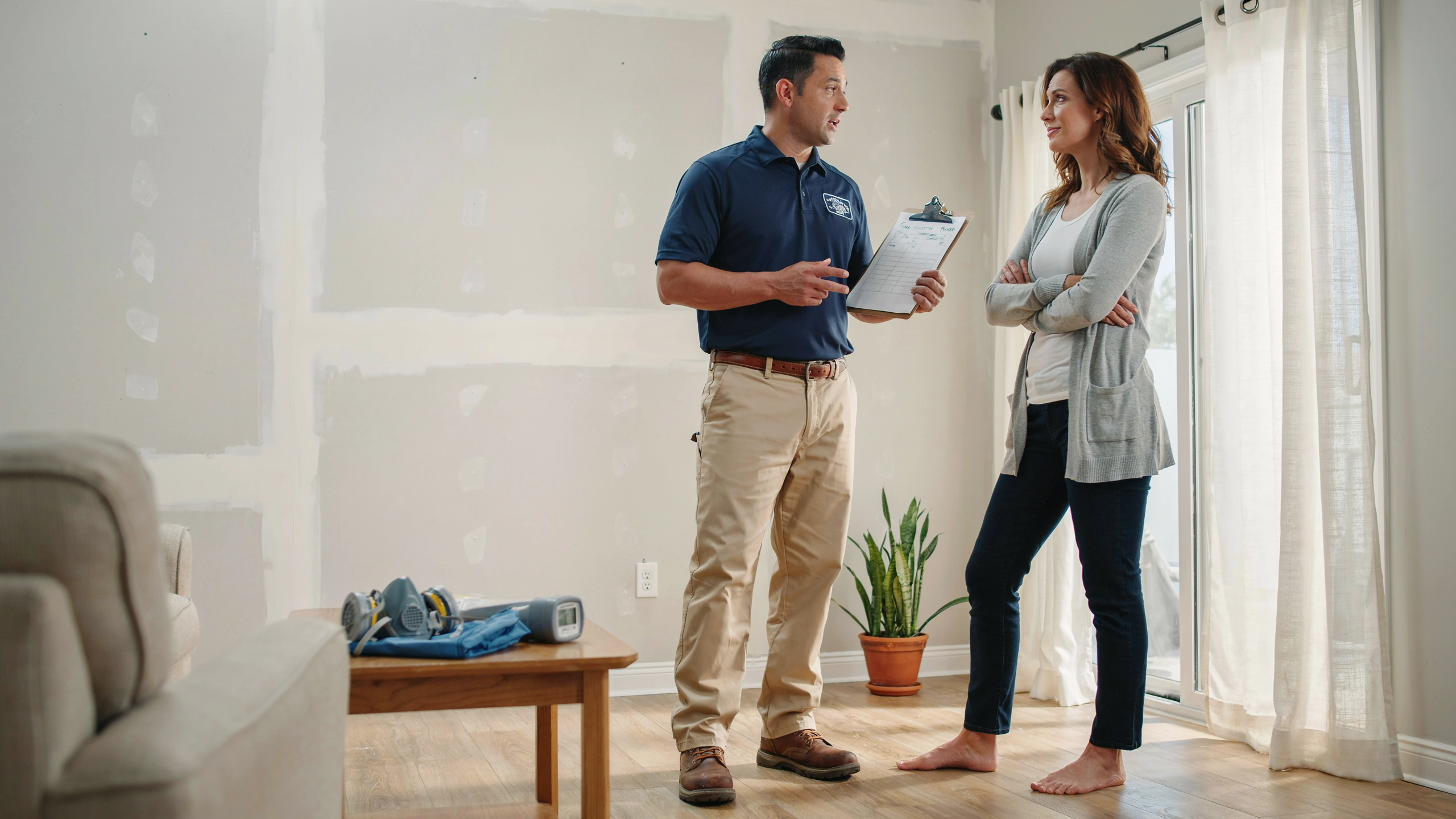
They imagine someone coming in, treating the area, and resolving the issue. But in many cases, mold remediation is not one isolated step. It is a process that may involve inspection, testing, containment, treatment, clearance, and in some situations, restoration or reconstruction afterward.
Understanding that process matters.
It helps property owners ask better questions, make better decisions, and understand why professional remediation should be approached with structure instead of guesswork.
The Process Starts With Inspection
The first step in many mold related projects is assessment.
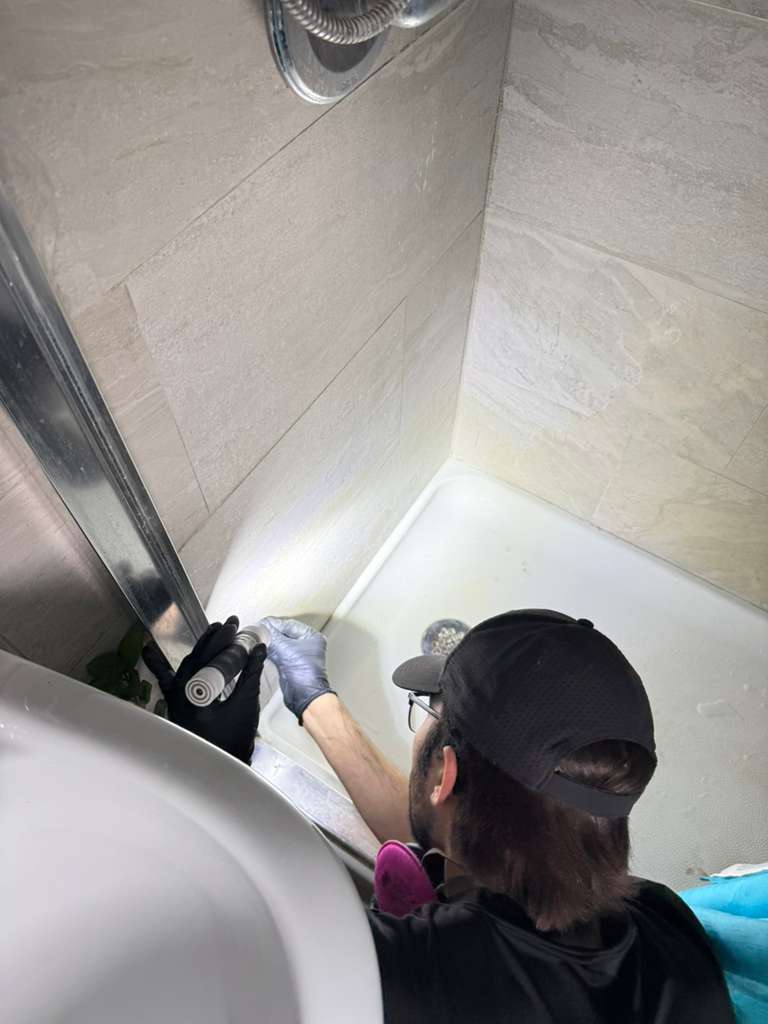
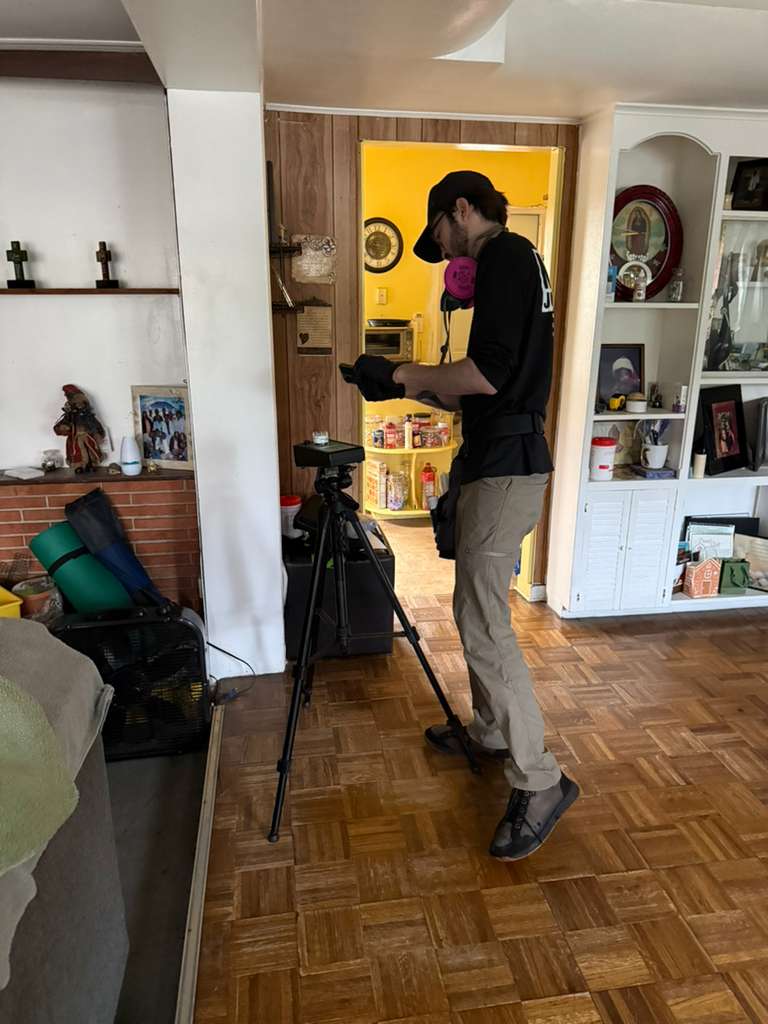
Before remediation begins, the condition of the space needs to be evaluated as clearly as possible. Based on S&L Building Solutions’ internal service discussion, this phase may involve:
- Moisture meter readings
- Infrared imaging
- Air quality assessment
- Testing related to bacteria or microbial growth
The purpose of this stage is to better understand what is happening in the property and to document findings in a final report with testing results and a proposal.
This is important because remediation should not begin with assumptions alone. A more informed inspection creates a stronger foundation for the next step.
Why Inspection Matters Before the Work Begins
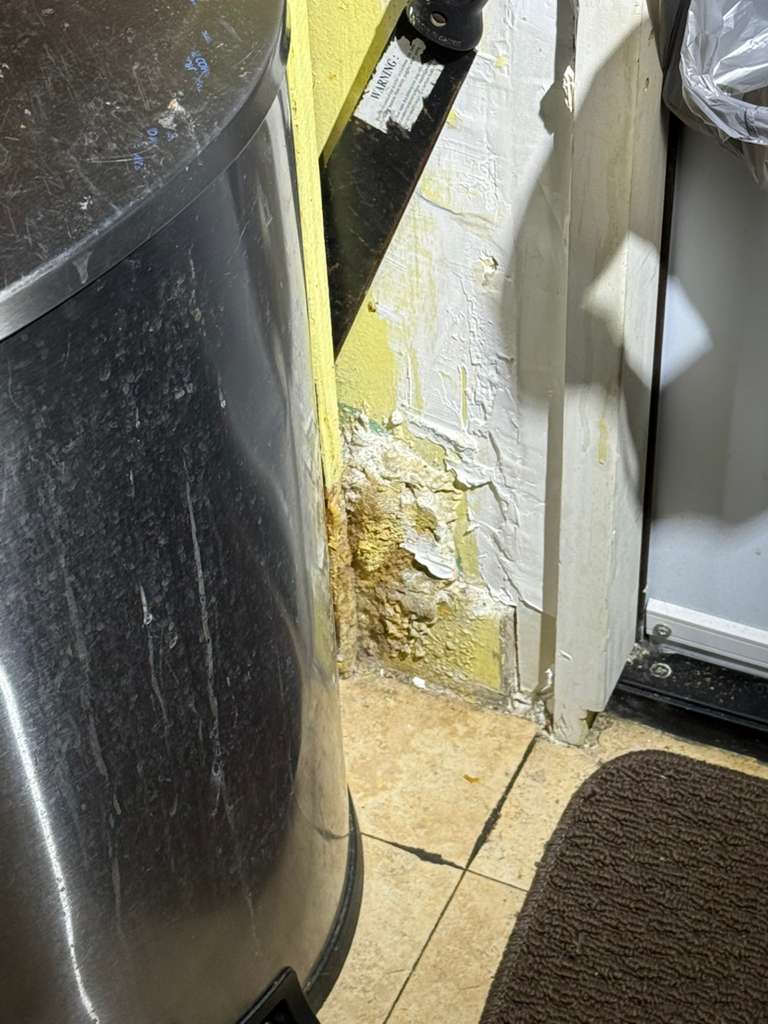
Visible signs do not always tell the full story.
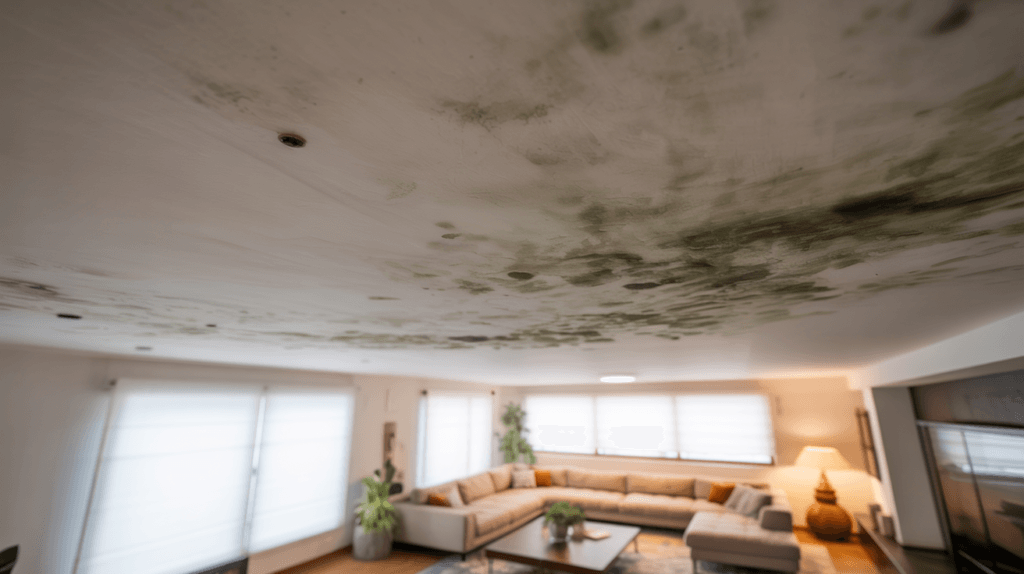
A property may show symptoms such as moisture concerns, damage, or conditions that suggest microbial growth, but the real extent of the issue may require a more careful evaluation. Inspection tools and testing help clarify whether the concern is isolated, how conditions are affecting the space, and how the remediation should be approached.
That kind of clarity supports a better remediation plan and reduces the chance of treating the problem too lightly or too narrowly.
The Remediation Phase
Once the scope is better understood, the project may move into remediation.
According to the workshop summary, this phase may involve:
- Antimicrobial preparations
- Wet vacuums
- Wet wipes
- Jobsite containment
- Encapsulation
Each of these procedures supports a more controlled work process.
Containment is especially important because it helps define the work area and create a more structured environment while the affected space is being addressed. Encapsulation and surface treatment procedures are also part of that broader process.
This is one reason mold remediation should not be confused with simple cleaning.
It is not only about making a space look better. It is about following a process designed to address the condition of the affected area more carefully.
The Importance of Clearance Testing
One of the most important parts of the final phase is the clearance test.
Based on the workshop summary, this test is part of the final construction phase and serves as a key step in validating the closeout of the remediation work.
For property owners, this matters because it shows that the project is not just about completing visible tasks. It is also about confirming completion in a more structured way.
When the Project Goes Beyond Remediation
Some projects do not end with remediation alone.
The workshop also made it clear that S&L’s service model may extend into:
- Restoration
- Reconstruction
- Construction management
- Coordination with adjusters
This becomes especially relevant when the property issue involves more than microbial growth alone. Water-related problems may affect finishes, rooms, building components, or the broader condition of the property.
For example, the workshop referenced scope elements such as roof replacement, window replacement, fascia and soffit replacement, and even a laundry room makeover tied to possible water loss concerns.
That kind of scope shows why remediation and construction services are often connected.
When the Project Goes Beyond Remediation
Another important takeaway from the workshop is how S&L Building Solutions is defining its business model.
The company is positioning itself as a combination of:
- Remediation
- Construction management
- Restoration services
And the broader service scope discussed includes:
- Assessment
- Remediation
- Restoration
- Reconstruction
- Commercial and residential renovation
- Home improvements
- Property management services
- New single-family home development
This is important because it frames remediation as part of a broader problem solving model, rather than a standalone niche service disconnected from the rest of the property.
Final Thoughts
A mold remediation project should not be understood as a quick surface level fix.
It should be understood as a process that begins with assessment, moves through containment and treatment, and may continue into restoration, reconstruction, and coordinated next steps depending on the property’s condition.
For owners, that distinction matters.
It changes how the problem is evaluated, how expectations are set, and how the next phase of the project is planned.
When remediation is approached with structure, the property has a clearer path forward.
Need help evaluating a mold remediation or restoration issue in Tampa Bay? Contact S&L Building Solutions to discuss your property and the next best step.
Schedule your appointment today.
Visit: www.slbuildingsolutions.com/roofing
Email: info@slbuildingsolutions.com
Call: +1 (813) 694 7407