What a professional home remodeling process actually looks.
Remodeling a home in Tampa is one of the most significant investments a property owner can make, and one of the most misunderstood processes in the construction industry.
Most homeowners approach a remodel with a clear picture of the finished result and a vague understanding of how to get there. That gap between vision and process is where projects go over budget, run past deadline, and generate the kind of contractor disputes that end up defining the experience more than the finished space does.
This guide walks you through what a professional home remodeling process actually looks like in Tampa Bay, from the first conversation to the final walkthrough, so you know what to expect, what questions to ask, and what separates a project that goes well from one that doesn’t.
Why Remodeling in Tampa Requires Local Knowledge
Tampa Bay’s climate, housing stock, and building code environment create specific conditions that affect every remodeling project in ways that aren’t obvious from the outside.
Florida’s humidity means that material selection matters more here than in most markets. Certain wood species, adhesives, and finishes that perform well in dry climates fail prematurely in Tampa’s moisture environment. A contractor without local experience may specify materials that look correct on paper but underperform in the field.
Tampa’s building code has been updated significantly following hurricane seasons, with specific requirements around structural connections, impact resistance, and energy efficiency that affect permitted remodeling work. Projects completed without permits, or by contractors unfamiliar with current code requirements, can create compliance issues that surface at resale or insurance renewal.
Older homes in established Tampa neighborhoods, Seminole Heights, Hyde Park, Palma Ceia, South Tampa, Ybor City, frequently have infrastructure that doesn’t meet current standards. Electrical panels, plumbing materials, and structural elements that were acceptable when the home was built may require upgrading as part of a remodel, affecting scope and budget in ways a surface-level estimate cannot anticipate.
Phase 1: The Initial Assessment — Before Any Numbers Are Discussed
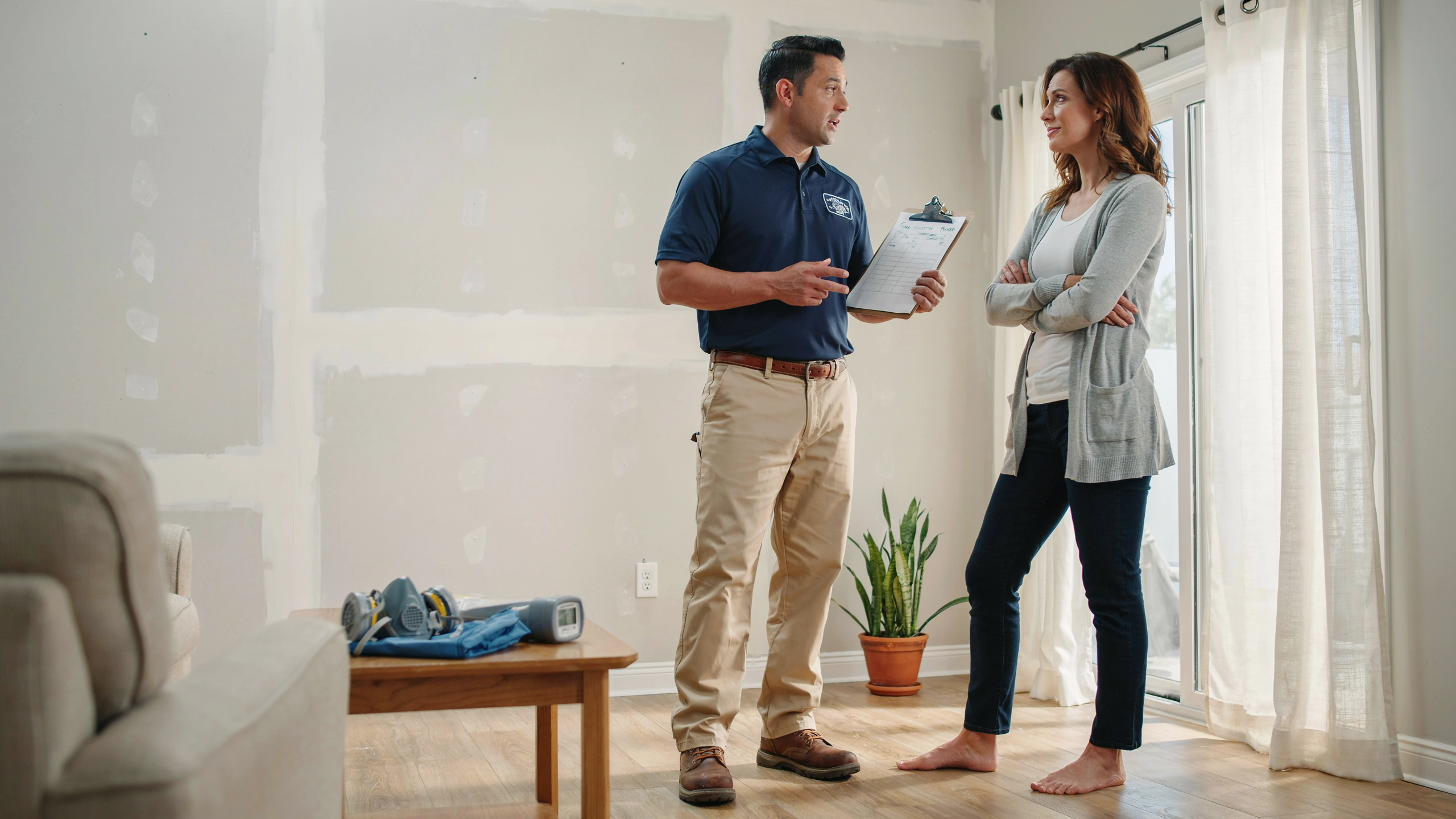
A professional remodeling process begins with a thorough site assessment before a single price is mentioned. This is the phase most homeowners rush through, and the one that most determines whether the project delivers what they expected.
During the assessment, a professional contractor evaluates the current condition of the space being remodeled, identifies any existing issues that will affect the scope, reviews the structural and systems implications of the planned changes, and documents the existing conditions that will serve as the baseline for the project.
In Tampa’s older housing stock, this assessment frequently reveals conditions that weren’t visible before work began, substandard wiring, galvanized pipes, inadequate structural support, or evidence of previous water damage that was addressed at the surface but not structurally. A contractor who does not perform a thorough pre-project assessment cannot give you an accurate estimate, and their low initial quote will grow once these conditions are discovered mid-project.
Phase 2: Scope Definition and Design
Once the existing conditions are understood, scope definition translates the homeowner’s vision into a specific, documented description of the work to be performed. This is distinct from a general description like “kitchen remodel”, a proper scope specifies which walls are being modified, what the new layout involves, which systems are being relocated or upgraded, what materials are being used, and what the finished condition should look like in measurable terms.
For larger projects, design drawings or detailed plans may be required both for permit applications and for contractor coordination. Even for projects that don’t require architectural drawings, a detailed scope document serves as the contract’s foundation, it is what both parties agreed to and what the project will be measured against at completion.
Phase 3: Permitting — What Requires a Permit in Tampa
Florida requires permits for most significant remodeling work, and Tampa’s permitting process has specific timelines and inspection requirements that affect project scheduling.
Generally, permits are required for: structural modifications including wall removal or addition, electrical work beyond basic fixture replacement, plumbing modifications including drain or supply line relocation, HVAC system changes, window and door replacements that change the opening size, and any addition of livable space.
Work performed without required permits creates several risks for the homeowner: the work cannot be verified by a licensed inspector, insurance coverage may be affected, the work may need to be exposed or removed to be inspected if discovered during a future sale inspection, and the homeowner may be required to bring the work into compliance at their own expense.
A professional remodeling contractor pulls all required permits, manages the inspection schedule, and coordinates final permit closure as part of the project scope. This is a service, not an inconvenience.
Phase 4: Active Construction — What to Expect on Your Property
Once permits are in place and materials are ordered, active construction begins. For homeowners living in the space during remodeling, this phase requires the most communication and the clearest expectations.
A professional contractor establishes daily start and end times, identifies which areas of the home are active work zones and which remain accessible to the family, confirms how debris removal will be handled and at what frequency, and establishes a communication protocol for daily updates and any unexpected findings.
Change orders, modifications to the original scope, should always be documented in writing before any additional work proceeds. This protects both the homeowner and the contractor. A professional contractor will not perform work outside the agreed scope without written approval; a homeowner should not authorize additional work without receiving a written change order with the associated cost and timeline impact.
Phase 5: Systems Coordination — The Work Behind the Walls
Remodeling projects that involve kitchens, bathrooms, or additions typically require coordination between multiple trades, plumbing, electrical, HVAC, and structural, before finishing work can begin. This coordination phase is invisible in the finished product but determines the quality and reliability of everything above the surface.
In Tampa Bay, this phase is particularly important because of the specific code requirements around HVAC efficiency, the prevalence of older electrical and plumbing systems in existing homes, and the moisture management requirements that affect how wall assemblies and bathroom spaces are constructed.
A general contractor manages this coordination, sequencing trades, managing inspections, and ensuring that each system is installed and inspected before the next phase of work covers it.
Phase 6: Finishing Work — Where the Vision Becomes Visible
Flooring, cabinetry, countertops, tile, paint, trim, fixtures, and hardware, the finishing phase is where the project transforms from a construction site into the space the homeowner envisioned. It is also the phase where the quality of the earlier work becomes either visible or invisible.
Finishing work requires precision and patience. Tile installation that isn’t perfectly level, trim that doesn’t meet cleanly at corners, paint that shows roller texture, these details define how the finished space feels to live in. A professional contractor manages quality control throughout the finishing phase and addresses issues before the final walkthrough, not after.
Phase 7: Final Walkthrough and Punch List
Before any final payment and before the project is considered complete, a thorough final walkthrough with the homeowner is standard professional practice. This walkthrough generates a punch list, a documented list of any items that require completion or correction before the project closes.
Addressing the punch list before final payment is the mechanism that protects the homeowner’s interest. Any contractor who requests final payment before the punch list is resolved is asking you to give up your leverage before the work is finished.
What a Realistic Remodeling Budget Looks Like in Tampa
Construction costs in Tampa Bay have increased significantly over the past several years due to material costs, labor market conditions, and the volume of storm-related repair and restoration work competing for contractor capacity.
Kitchen remodels in Tampa range from approximately $25,000 to $75,000 or more depending on scope, layout changes, and material selection. Bathroom remodels typically range from $8,000 to $25,000. Full room additions or significant structural modifications are highly variable but typically begin at $50,000 and increase with scope complexity.
The most reliable way to understand what your specific project will cost is a detailed assessment with an itemized proposal, not a per-square-foot estimate or a ballpark figure based on a brief description.
S&L Building Solutions — Home Remodeling in Tampa Bay
S&L Building Solutions provides full-scope remodeling services for residential and commercial properties across Tampa Bay, from kitchen and bathroom renovations to whole-home rehabilitation projects. Every project begins with a thorough assessment and a detailed written scope before any work begins.
📞 +1 (813) 694 7407 🌐 slbuildingsolutions.com
Serving Tampa, Wesley Chapel, Hillsborough County, and surrounding areas.
FAQ‘s
How long does a complete kitchen remodel take in Tampa?
Standard architectural asphalt shingles typically last 20 to 25 years in Florida’s climate, shorter than in cooler, less humid regions due to UV intensity and humidity cycling. Regular maintenance and prompt repair of minor issues can extend effective service life significantly.
Do I need a permit to remodel my bathroom in Tampa?
Most bathroom remodels in Tampa that involve plumbing modifications, electrical work, or structural changes require a permit. Simple cosmetic updates, replacing fixtures without moving drain or supply lines, repainting, or replacing flooring, may not require permits. Your contractor should confirm permit requirements based on the specific scope of your project.
Can I live in my house while the remodeling is being done?
In most cases, yes, particularly for single-room remodels. Whole-home rehabilitations or projects involving HVAC, electrical panel upgrades, or major structural work may require temporary relocation for portions of the project. Your contractor should discuss occupancy expectations clearly during the pre-project phase.
How do I choose between several contractor quotes?
Compare proposals based on the detail of the scope, not just the total price. A lower bid that lacks specificity about materials, timeline, and inclusions will almost always grow during construction. Verify licenses, request local references, and confirm that the contractor pulls required permits.
Have remodeling costs gone up in Tampa?
Yes. Construction costs in the Tampa Bay market have increased substantially over the past three to four years due to material price increases, labor demand from storm recovery work, and general inflation in the construction sector. Budgets based on estimates from more than 18 months ago should be reviewed with a current contractor assessment.